
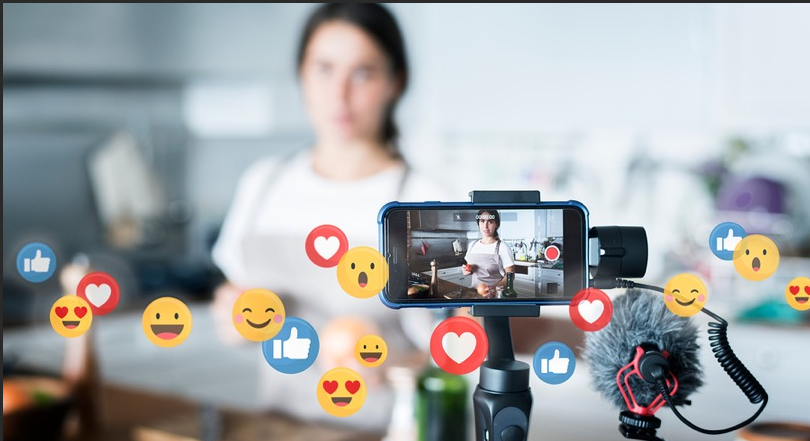
Being a video influencer—someone who creates and shares content on platforms like YouTube, TikTok, or Instagram—can be exciting because it allows people to build an audience around their interests, personality, or skills. Many influencers start by posting casually, but over time they can grow a community of viewers who regularly watch their videos. This can turn a hobby like gaming, fashion, comedy, or education into something that reaches thousands or even millions of people.
One major advantage is creative freedom and opportunity. Video influencers can express themselves, try new ideas, and even collaborate with brands or other creators. Successful influencers can earn money through ads, sponsorships, and partnerships, and some even turn it into a full-time job. It can also open doors to careers in entertainment, marketing, or media because having an audience and content portfolio is valuable experience.
However, there are also downsides. Being a video influencer often comes with pressure to constantly create content and stay relevant, which can feel stressful or exhausting. Public exposure can also lead to negative comments, criticism, or online hate, which can affect confidence and mental well-being. In addition, algorithms on platforms can change suddenly, making it harder to grow or maintain an audience even if your content is good.
Overall, being a video influencer can be rewarding but also challenging. It offers creativity, connection, and possible financial benefits, but it also requires consistency, resilience, and the ability to handle public attention. For most people, it works best when treated as something enjoyable first, rather than only focusing on fame or money.
Leave a Reply